
Description
Deep, Controlled Bass. Simply.
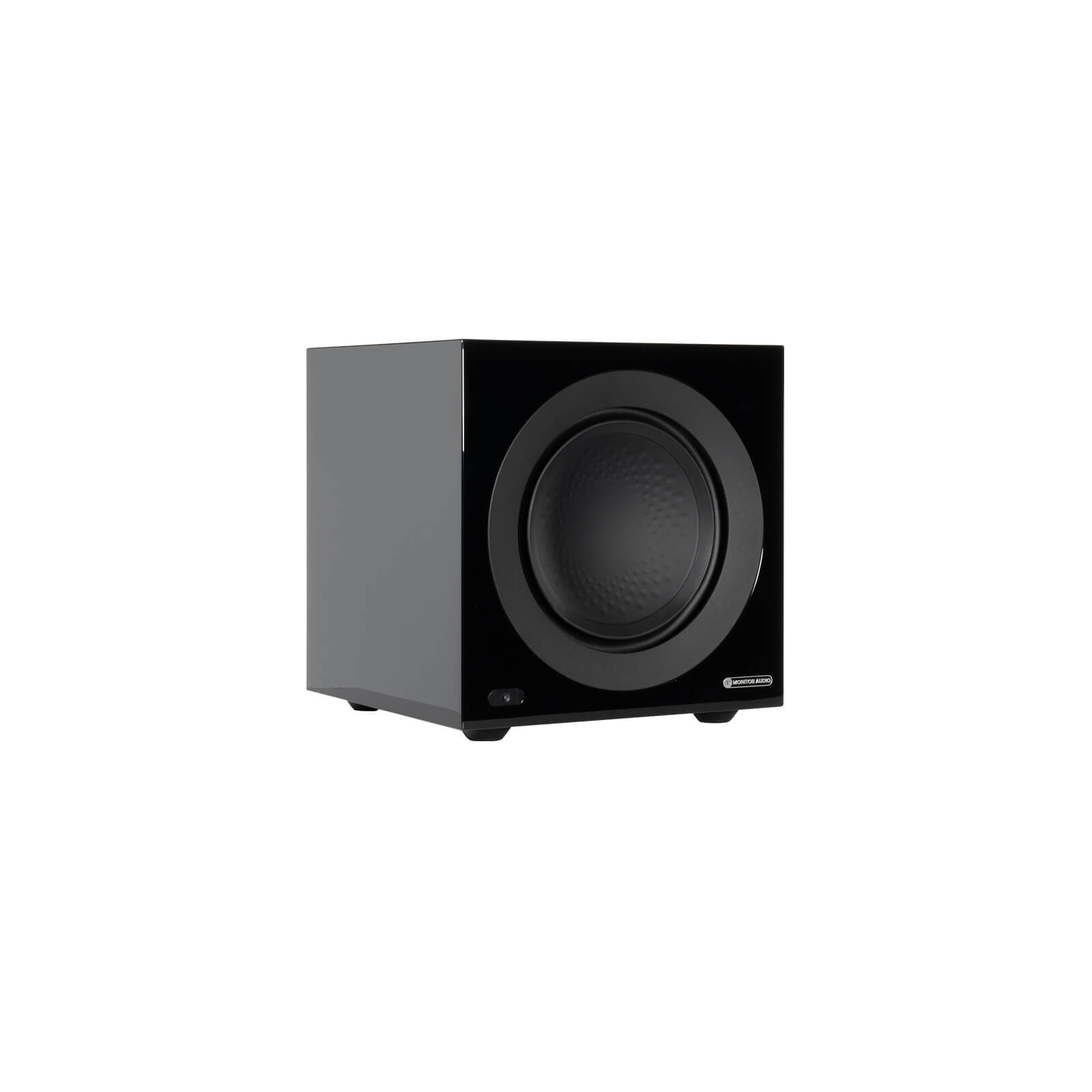
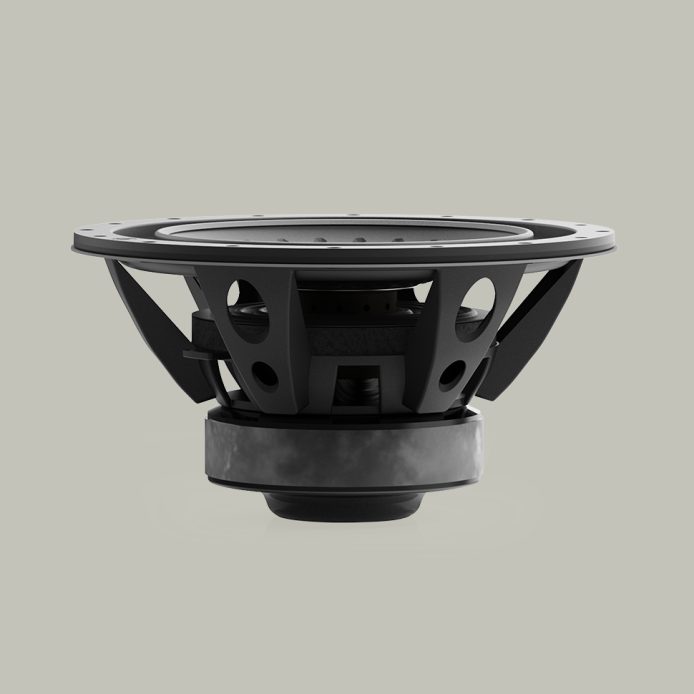
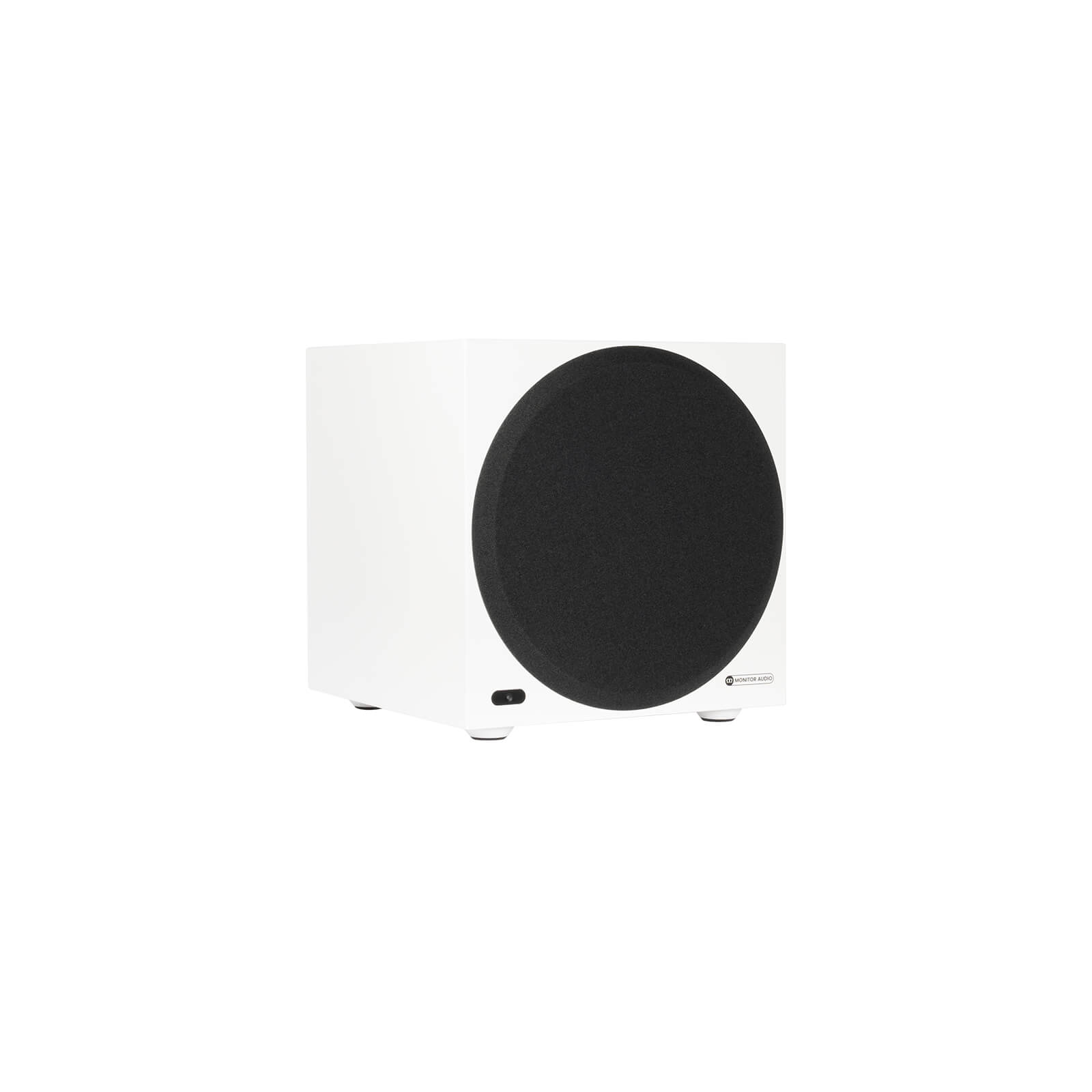
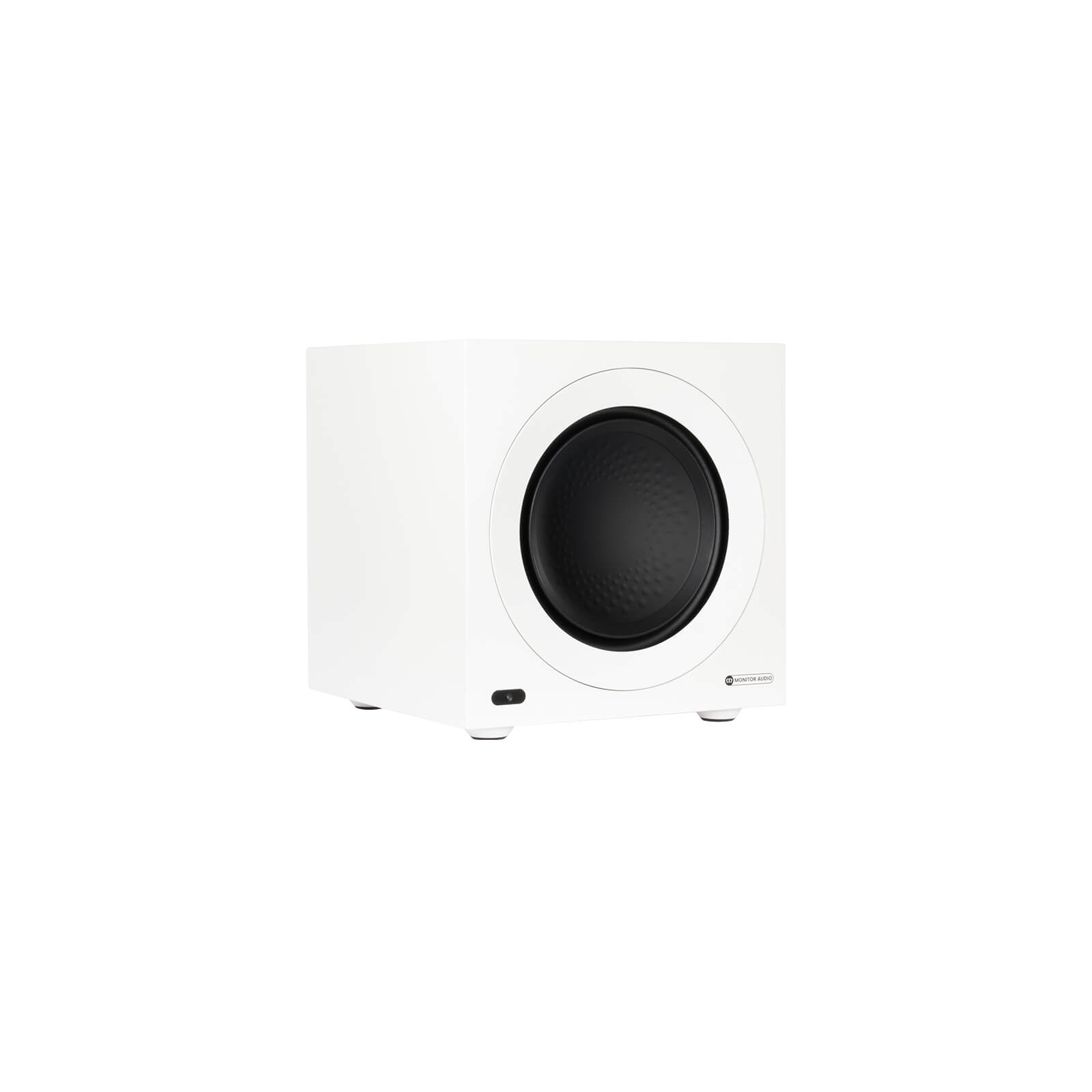
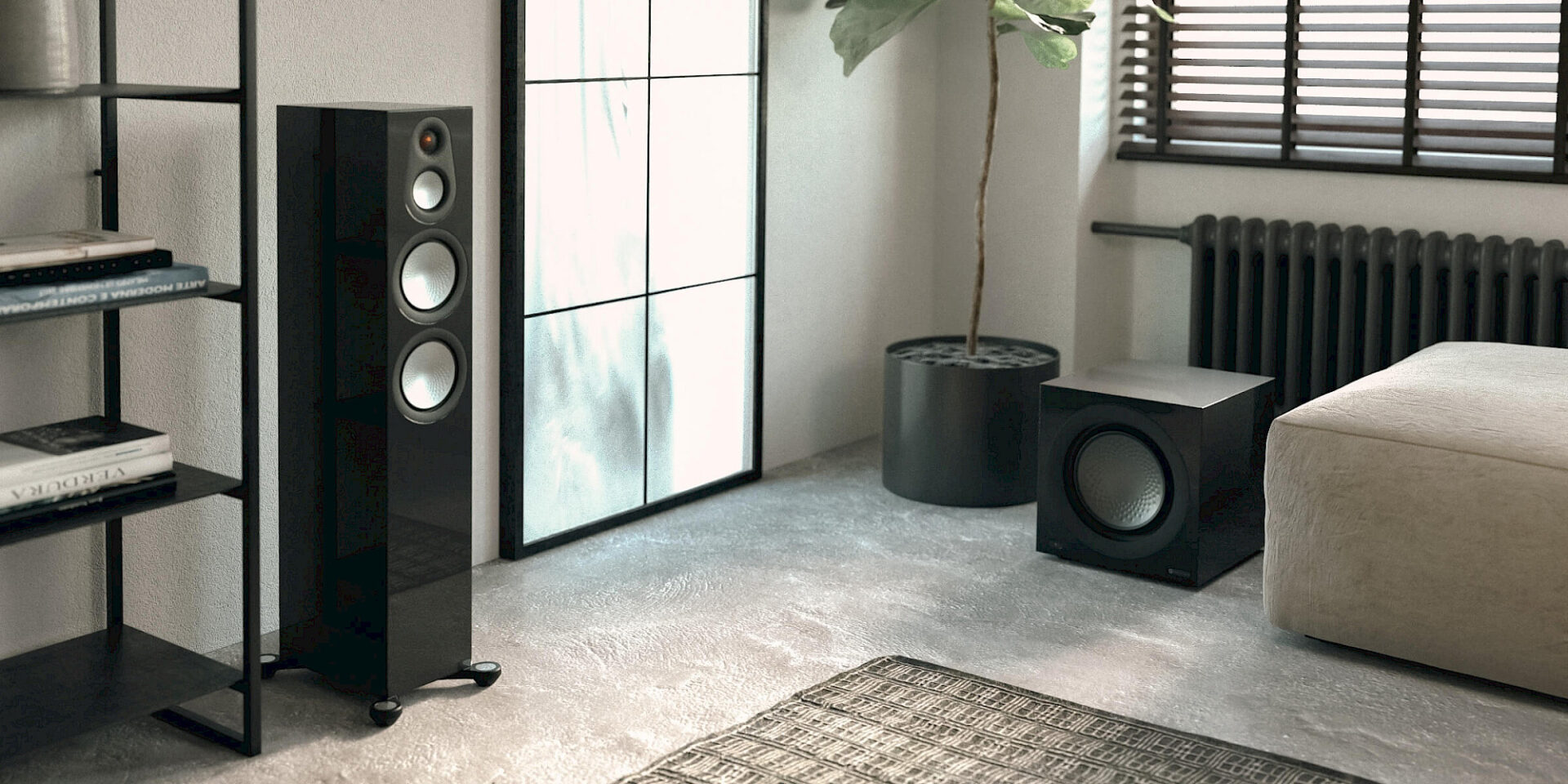
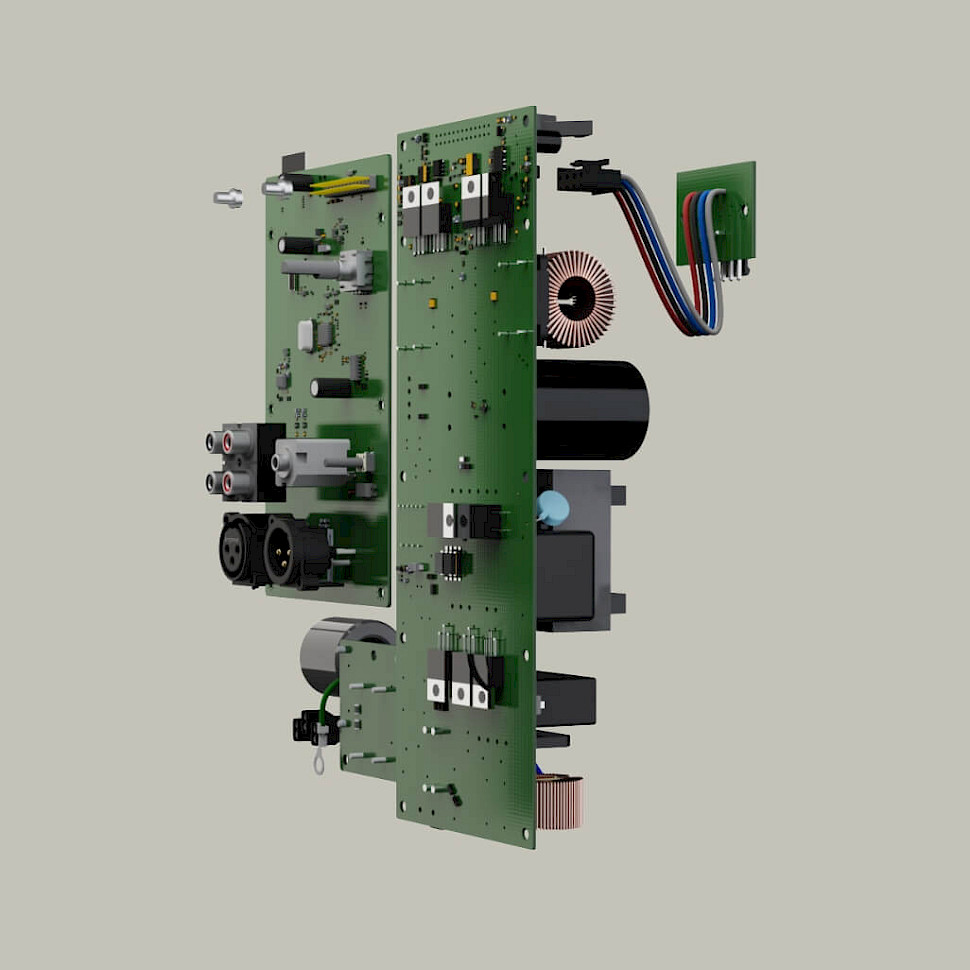
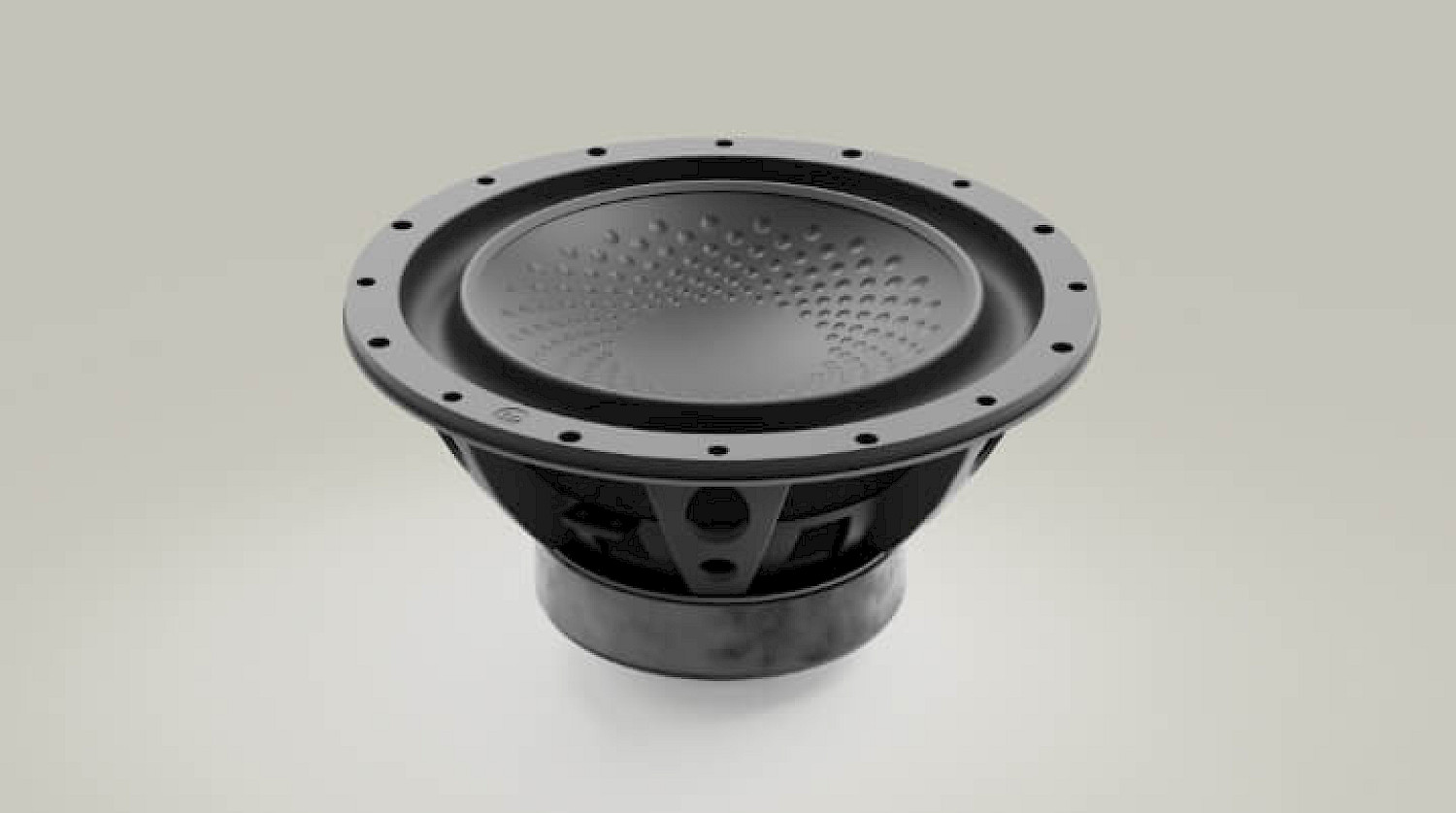
Engineered to deliver deep, agile bass in small to mid-sized spaces, the Anthra W10 subwoofer features a 500 Watt Class-D amplifier driving a 10” (25 cm) Rigid Surface Technology II (RST II) C-CAM high-excursion driver. The W10 can be used on its own or linked with up to three other Anthra subwoofers for a truly immersive, ultra-dynamic listening experience.
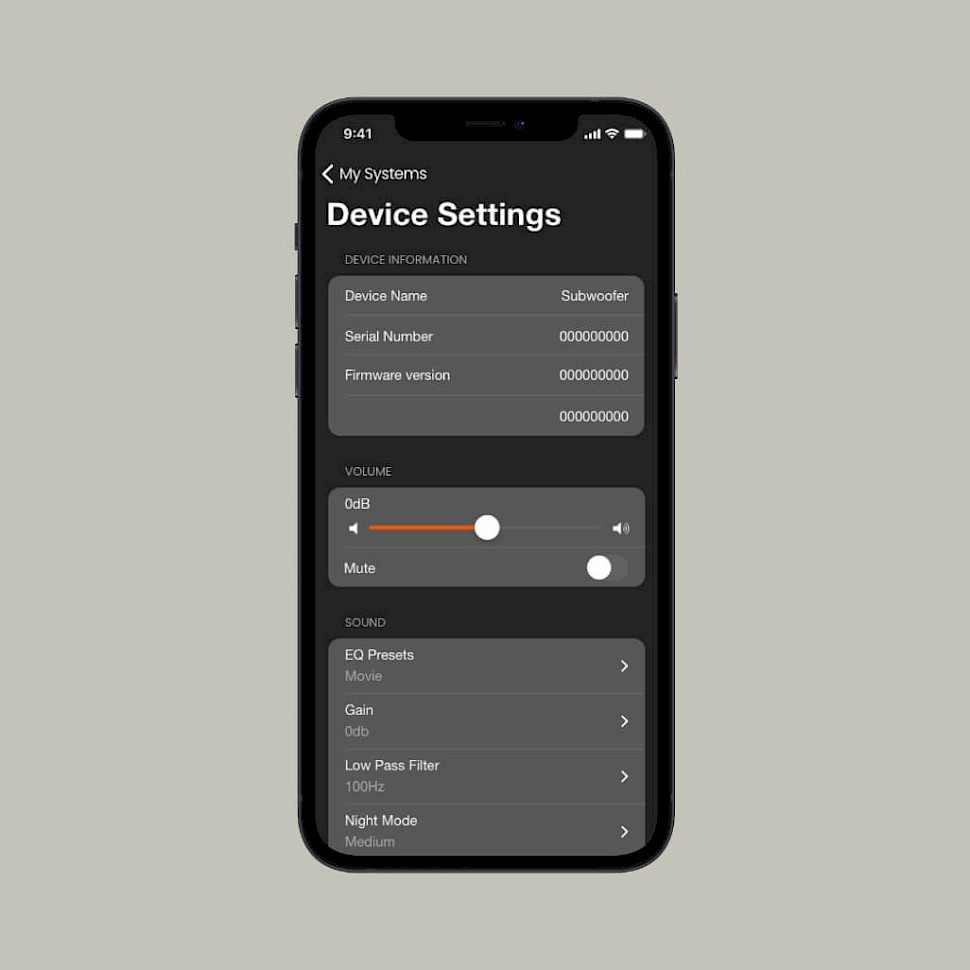
A full-colour LCD display and rotatory dial are located on the back panel to allow for basic subwoofer setup and EQ preset selection, while advanced features including DSP configuration and multi-sub connectivity setup are available via the MaestroUnite app.
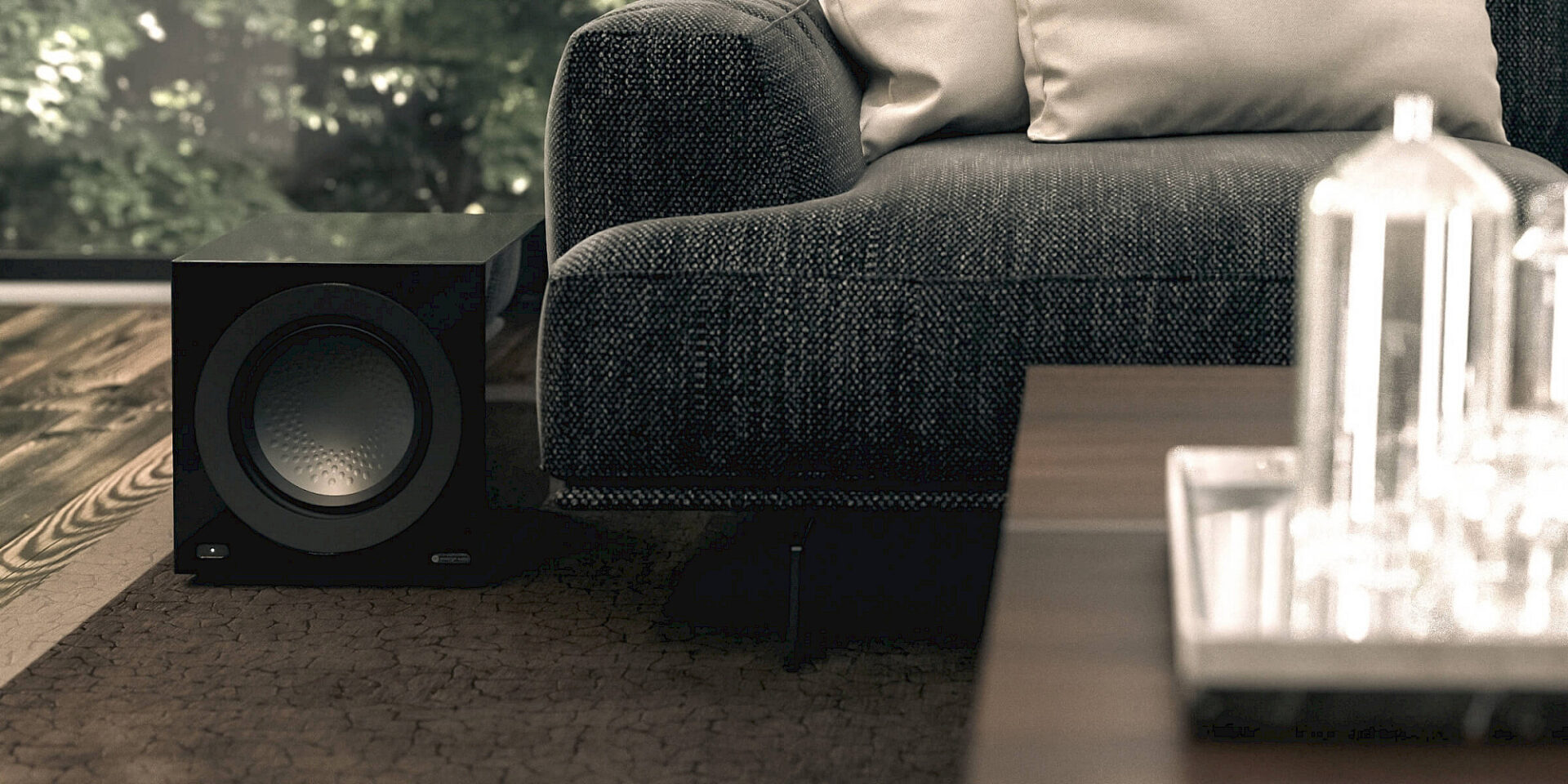
Want to experience that deep, visceral low end that makes music and movies truly immersive? The subwoofer is the vital element that delivers that magic of well-reproduced bass, a characteristic expertly engineered into both our Anthra and the now available Vestra series. However, the journey to sonic perfection doesn’t end with the purchase; it requires understanding how to integrate this powerful tool within your listening environment and appreciating the impact of something as fundamental as placement.
Forget simply finding a spot that fits—proper subwoofer placement is a crucial element in the art and science of audio, requiring a touch of knowledge and a willingness to experiment.
The Sweet Science of Low Frequencies
Before we delve into placement strategies, let’s quickly understand how subwoofers operate and why their location is so critical. Subwoofers are specialised speakers dedicated to reproducing low-frequency sounds, typically ranging from 20 to 200 Hz.
They achieve this by using large drivers (woofers) that move a significant amount of air, generating powerful bass waves. This is the kind of sound you don’t just hear but feel—the chest-thumping impact of a drumbeat or the room-shaking tremor of an explosion.
However, these low-frequency bass waves behave quite differently from the mid- and high-frequency waves produced by your main speakers, whether these be floorstanding or bookshelf speakers. Bass waves are much longer, causing them to interact with your listening room in complex ways. Walls, floors, and ceilings become reflective surfaces, leading to bass waves bouncing and interfering with each other.
This interference can create standing waves, resulting in areas of amplified bass (peaks) and areas of diminished bass (nulls) within your room. The consequence? Uneven bass response, where some spots sound fantastic, while others lack impact or sound overly boomy. This is why the optimal subwoofer placement isn’t always obvious and why careful positioning is paramount for achieving accurate and enjoyable bass reproduction.